


Modern Warehouse Intralogistics Solution: How Automation Is Transforming Distribution Centers by 2026

- What Is Intralogistics Equipment?
- Together, these solutions help warehouses improve efficiency, accuracy, and scalability.Why the Demand for Intralogistics Equipment Is Growing?
- Key Types of Intralogistics Equipment
- Case Study: European E-commerce Distribution Center Upgrade
- How to choose the right intralogistics equipment supplier?
- The Future of Intralogistics Is Capacity, Not Equipment
- FAQS
From conveyor systems and parcel sorters to automated storage solutions and smart dimensioning technology, modern intralogistics equipment has become the foundation of efficient warehouse operations. Companies investing in warehouse automation are achieving higher throughput, reduced reliance on manual labor, and greater visibility into their internal logistics processes.
What Is Intralogistics Equipment?
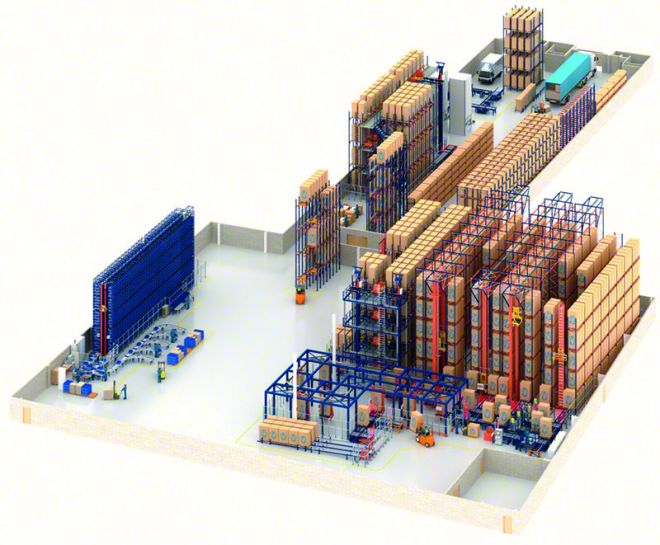
Intralogistics equipment refers to the systems, technologies, and machinery used to move, sort, store, identify, and manage goods within a warehouse, distribution center, or manufacturing facility. Unlike transportation logistics, which focuses on moving goods between different locations, intralogistics focuses on optimizing the internal flow of materials. Typical intralogistics equipment includes:- Warehouse conveyor systems
- Parcel sorting systems
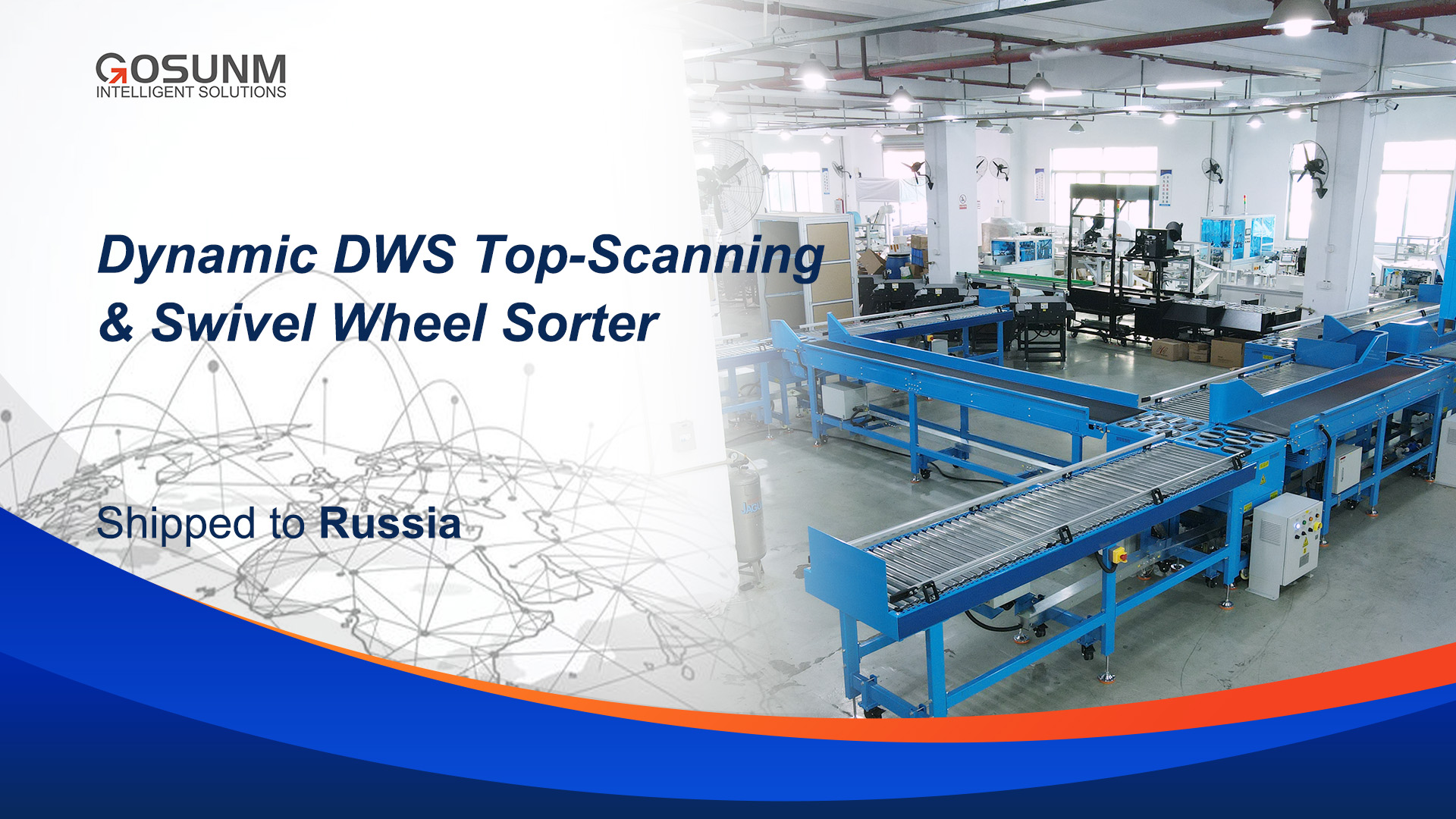
- Dynamic DWS (Dimensioning, Weighing, and Scanning) systems
- Cross-belt sorters
- Wheel sorters
- Wall systems
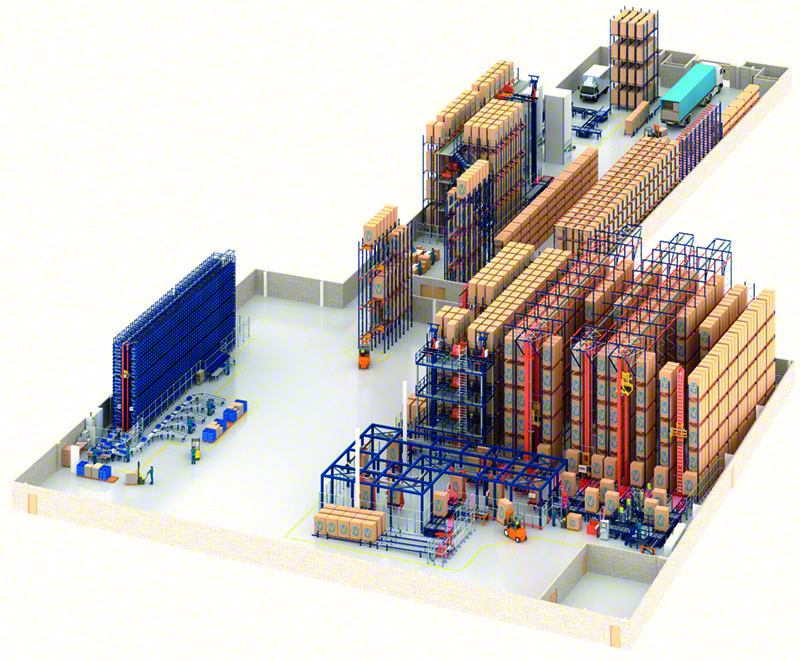
- Automated Storage and Retrieval Systems (ASRS)
- Pallet handling systems
- Warehouse control software
Together, these solutions help warehouses improve efficiency, accuracy, and scalability.
Why the Demand for Intralogistics Equipment Is Growing?
Rising Labor Costs:Warehouses worldwide are facing pressure from labor shortages and rising wages. Manual sorting, measuring, and handling processes often limit productivity and drive up operating costs.Growth of E-commerce:Online retailers require faster order processing speeds and the ability to offer same-day or next-day delivery. This has significantly increased the demand for automated order fulfillment processes.
Higher Accuracy Requirements:Shipping errors, dimensional discrepancies, and inventory variances can all lead to customer complaints and increased logistics costs. Automation helps minimize these risks.
Need for Scalable Operations:Many distribution centers need to handle seasonal peaks and future growth without constantly increasing their headcount.
Key Types of Intralogistics Equipment
Conveyor Systems
Conveyor systems are the backbone of automated warehouses, responsible for transporting cartons, parcels, totes, and pallets between operational areas. Benefits include:- Continuous material flow
- Reduced manual handling
- Improved workplace safety
- Increased operational efficiency
Parcel Sorting Systems
Parcel sorting systems automatically identify and divert items based on destination, carrier, or order information.Common applications include:
- Express delivery hubs
- E-commerce fulfillment centers
- Distribution centers
- 3PL warehouses
Modern sorting equipment can process thousands of parcels per hour with over 99% accuracy.
Dynamic DWS Systems
Dynamic DWS systems automatically measure dimensions, capture weight, and scan barcodes as parcels move along the conveyor.Advantages include:
- Faster data collection
- Accurate shipping cost calculation
- Reduced carrier disputes
- Improved warehouse visibility
Cross-belt Sorters
Cross-belt sorters are widely used in high-volume distribution centers where speed and accuracy are critical.Typical advantages:
- High sorting capacity
- Gentle product handling
- Flexible destination management
- Suitable for various package sizes
Wheel Sorters
Wheel sorters offer a cost-effective solution for medium-volume parcel sorting applications.They are commonly used in:
- E-commerce warehouses
- Regional logistics hubs
- Retail distribution facilities
- In-house industrial logistics
- E-commerce Fulfillment Centers
E-commerce operations require rapid processing of diverse product categories and large numbers of SKUs.
Recommended equipment:
- Dynamic DWS systems
- Wheel sorters
- Wall systems
- Conveyor networks
- Express and Courier Logistics
Express companies prioritize speed and throughput.
Recommended equipment:
- Cross-belt sorters
- High-speed DWS systems
- Automated parcel tracking solutions
- Third-Party Logistics (3PL)
3PL providers need flexibility to serve multiple clients with varying operational requirements.
Recommended equipment:
- Modular conveyor systems
- Dynamic DWS systems
- Smart sorting solutions
- Retail Distribution Centers
Retail facilities primarily handle store replenishment and order consolidation. Recommended Equipment:
- Conveyor systems
- Carton sorters
- Automated storage systems
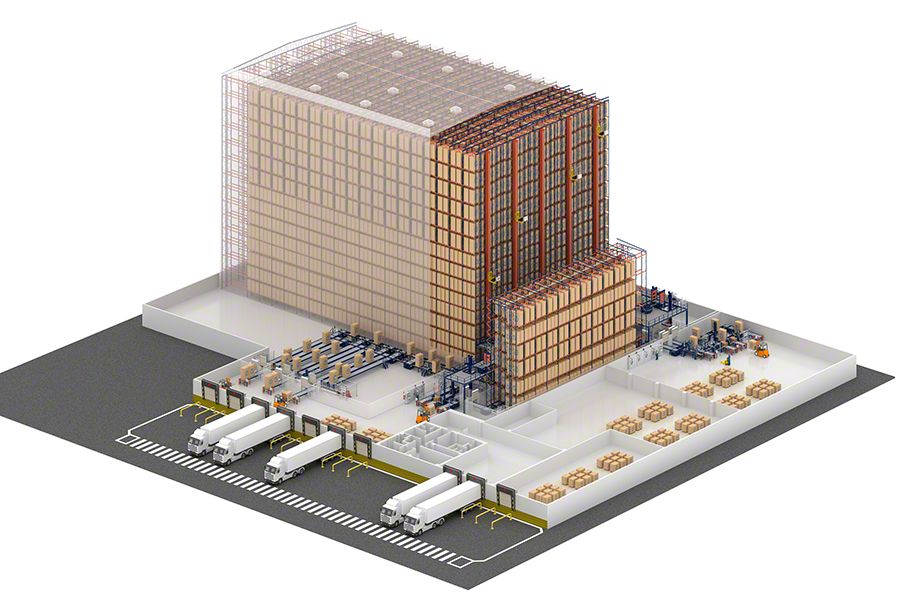
Case Study: European E-commerce Distribution Center Upgrade
A rapidly growing European e-commerce operator recently faced several operational challenges:Challenges
- Increased parcel volume during peak seasons
- Labor shortages in sorting operations
- High error rates in manual shipment dimensioning and weighing
- Limited opportunities for warehouse expansion
- Implemented Solutions
Deployed facilities:
- Dynamic DWS (Dimensioning, Weighing, and Scanning) systems
- Automated conveyor networks
- Wheel sorter systems
- Warehouse control software integration
Post-implementation:
Following the deployment of the intralogistics automation system, the distribution center achieved substantial gains in throughput, accuracy, and labor efficiency. The solution enabled the facility to process more than three times the previous parcel volume while significantly reducing manual handling requirements. Improved data capture accuracy and faster processing times have strengthened operational performance, creating a scalable foundation for future growth and peak-seaso| Operational Metric | Before Automation | After Automation | Improvement |
|---|---|---|---|
| Parcel Throughput | 3,500 parcels/hour | 12,000 parcels/hour | +243% |
| Labor Requirement | 35 operators | 12 operators | -66% |
| Data Accuracy | 96% | 99.8% | +3.8% |
| Processing Time | 8 hours | 2.5 hours | -69% |
After implementation, projected performance indicators included:
- Throughput increase from 4,000 to 15,000 parcels per day
- Labor reduction of more than 50%
- Sorting accuracy above 99.8%
- Faster carrier dispatch cycles
- Improved real-time shipment visibility
Most importantly, the facility gained the ability to continue growing without expanding its workforce at the same rate as order volume.
How to choose the right intralogistics equipment supplier?
Buyers should consider the following factors when evaluating suppliers:
Engineering and technical expertise: Suppliers should understand warehouse workflows and offer customized solutions.
System integration capabilities: equipment should integrate seamlessly with WMS, ERP, and warehouse control systems.
Project experience: Look for suppliers with a track record of successful implementations in logistics, e-commerce, and distribution applications.
After-sales Support:Reliable technical support and spare parts availability are crucial for the long-term performance of the system.
Scalability: Choose a solution capable of meeting future business growth needs.
The Future of Intralogistics Is Capacity, Not Equipment
Many buyers begin their automation journey by searching for specific products:
"Conveyor System"
"Parcel Sorter"
"Dynamic DWS"
"Intralogistics Equipment"
However, successful automation projects rarely begin with equipment selection. They begin with identifying the operational constraint that limits growth, For some facilities, the bottleneck is manual sorting.
For others, it is shipment data collection, For rapidly growing e-commerce operations, it may be labor availability. The most effective intralogistics projects focus first on process capacity and business objectives, then select the equipment required to support those goals.
In today's logistics environment, the question is no longer whether warehouses will automate.
The question is how long they can continue growing before automation becomes unavoidable.FAQS
What is intralogistics equipment?
Intralogistics equipment refers to systems and technologies used to move, sort, identify, store, and manage goods within warehouses, distribution centers, and manufacturing facilities. Common examples include conveyor systems, parcel sorting systems, Dynamic DWS solutions, and automated storage systems.
What are the main types of intralogistics equipment?
The most widely used intralogistics equipment includes:
- Conveyor Systems
- Dynamic DWS Systems
- Parcel Sorting Systems
- Cross Belt Sorters
- Wheel Sorters
- Put Wall Systems
- Automated Storage and Retrieval Systems (ASRS)
- Pallet Handling Systems
The best solution depends on throughput requirements, parcel characteristics, and facility layout.
What industries use intralogistics automation?
Intralogistics equipment is commonly used in:
- E-commerce Fulfillment Centers
- Courier & Express Logistics
- Third-Party Logistics (3PL)
- Retail Distribution Centers
- Manufacturing Facilities
- Pharmaceutical Warehouses
- Food & Beverage Distribution Centers
When should a warehouse invest in automation?
Many facilities begin considering automation when they experience:
- Rapid order growth
- Labor shortages
- High sorting error rates
- Increasing operating costs
- Peak-season processing bottlenecks
Automation becomes particularly valuable when manual processes can no longer support business growth efficiently.
How much does intralogistics equipment cost?
Costs vary based on system size, throughput requirements, and automation level.
Typical investment ranges include:
| Equipment Type | Typical Cost Range |
|---|---|
| Conveyor System | USD 5,000–100,000+ |
| Dynamic DWS System | USD 10,000–50,000+ |
| Wheel Sorter | USD 20,000–150,000+ |
| Cross Belt Sorter | USD 100,000–1,000,000+ |
| Complete Automation Project | USD 200,000–Several Million |
What ROI can be expected from warehouse automation?
Most distribution centers achieve ROI within 12–36 months.
Savings typically come from:
- Reduced labor costs
- Increased throughput
- Improved sorting accuracy
- Lower shipping disputes
- Reduced operational errors
What is the difference between Dynamic DWS and Static DWS?
A Dynamic DWS system measures, weighs, and scans parcels while they are moving on a conveyor.
A Static DWS system requires operators to place parcels on a fixed station before measurement.
Dynamic systems are typically preferred for high-volume operations, while static systems are suitable for lower throughput environments.
How accurate are modern parcel sorting systems?
Modern parcel sorting systems can achieve sorting accuracy rates above 99.8% when properly configured and maintained.
Actual performance depends on barcode quality, parcel characteristics, and software integration.
Can intralogistics equipment integrate with WMS and ERP systems?
Yes.
Most modern intralogistics solutions support integration with:
- Warehouse Management Systems (WMS)
- Enterprise Resource Planning (ERP) Systems
- Warehouse Control Systems (WCS)
- Transportation Management Systems (TMS)
Integration enables real-time data exchange and operational visibility.
How long does an automation project take?
Project timelines vary depending on complexity.
Typical schedules include:
- Engineering Design: 2–6 weeks
- Manufacturing: 4–12 weeks
- Installation: 1–4 weeks
- Testing & Commissioning: 1–2 weeks
Large-scale projects may require several months.
What throughput can a parcel sorting system handle?
Sorting capacity varies by system type.
Typical ranges include:
| System Type | Throughput Capacity |
|---|---|
| Wheel Sorter | 2,000–8,000 parcels/hour |
| Cross Belt Sorter | 5,000–30,000+ parcels/hour |
| Tilt Tray Sorter | 4,000–20,000 parcels/hour |
The optimal solution depends on current and future operational requirements.
How scalable are intralogistics systems?
Modern systems are typically designed with modular architectures.
This allows warehouses to:
- Add new destinations
- Increase throughput
- Expand conveyor lines
- Integrate additional automation modules
without replacing the entire system.
What factors should be considered when selecting an intralogistics supplier?
Key evaluation criteria include:
- Engineering expertise
- Project experience
- Software integration capability
- Customization flexibility
- Global installation support
- After-sales service
- Spare parts availability
Choosing an experienced supplier helps reduce project risk and ensures long-term system performance.
What are the biggest challenges in warehouse automation projects?
Common challenges include:
- Inaccurate throughput planning
- Poor software integration
- Insufficient future scalability
- Inadequate staff training
- Lack of operational data
A detailed workflow analysis before implementation can significantly improve project success rates.
What is the future of intralogistics automation?
Future trends include:
- AI-powered sorting decisions
- Machine Vision Inspection
- Autonomous Mobile Robots (AMRs)
- Predictive Maintenance
- Digital Twin Technology
- Real-Time Data Analytics
These technologies will continue to improve warehouse efficiency, visibility, and scalability.


 Privacy settings